“Fire Boid,” the first turbine-powered Indy Car, to appear at the 2016 Arizona Concours d’Elegance

The SAC Fire Boid, testing at Indianapolis in April of 1955. Photos courtesy Indianapolis Motor Speedway.
Ironically, the first turbine-powered Indy Car wasn’t built to run in the Indianapolis 500, though it did test at the track and was used for exhibition laps during the 1955 race weekend. Instead, the SAC Fire Boid was a rolling billboard for the high-tech careers available in the Strategic Air Command, as well as a testament to the SAC’s “Hobby Shop” program established by Curtis LeMay.
Next month, the Fire Boid will appear at the third-annual Arizona Concours d’Elegance, which pays tribute to the 100th running of the classic Memorial Day race with a display of significant Indy Cars and a panel discussion featuring past winners.
The Fire Boid didn’t begin its on-track life with a gas turbine engine. Instead, the 1950 Kurtis-Kraft KK3000 chassis was equipped with a 270-cu.in. Offenhauser four-cylinder, the dominant racing engine of the day. In 1952, the car was driven to a second-place finish at the Indianapolis 500 by Jim Rathman, but later retired. Eventually, it found its way into Firestone’s stable, where it was used for tire testing purposes.

Jim Rathman, driving the Kurtis Kraft KK3000 that would later become the Fire Boid.
Looking for a way to retain experienced air crews in the postwar years, General Curtis LeMay looked to improve life on base. One way to do so was to establish “Hobby Shops,” where Strategic Air Command airmen could pursue passions like auto mechanics in their off-hours. It was the Hobby Shop at Omaha, Nebraska’s, Offutt Air Force Base that first asked the question, “What would a turbine-powered Indy Car be capable of?”
Firestone loaned the Offutt crew a retired Kurtis Kraft chassis, while Boeing loaned the base a gas turbine engine, presumably one no longer fit for active duty in aircraft. Offutt personnel married the two, creating a car that was billed as the Fire Boid, likely a spin-off of the “Firebird” name used by GM on its turbine-powered concept car of 1953. With an output estimated at 195 horsepower, the transmission-less turbine car was said to have a top speed of 140 MPH, roughly the same speed run by pole sitter Jerry Hoyt.

Henry Banks (L), with the Fire Boid at Indy.
The Fire Boid was tested at Indianapolis Motor Speedway in April of 1955, and driven for exhibition laps during Memorial Day weekend by Henry Banks, a retired racer with six Indy 500 starts and three Formula One starts on his resume. The car’s purpose wasn’t to highlight the possibilities of turbine-powered race cars (though it’s quite possible the Fire Boid planted the idea in Andy Granatelli’s mind), but instead to promote the jet-age training one could receive in the Strategic Air Command.
Though the Fire Boid was built from loaned components, it was never parted out after its 1955 Indy appearance and instead became part of the IMS Museum’s permanent collection. To help the Arizona Concours d’Elegance recognize the 100th running of the Indianapolis 500 in May 2016, the IMS Museum will also provide three additional cars from its collection, including a 1914 Duesenberg once raced by Eddie Rickenbacker; a front-drive Miller; and a 1964 Lotus-Ford, the car that predicted the end of the front-engine roadster era.

Eddie Rickenbacker with his 1914 Duesenberg racing car.
Indy drivers, including 1983 winner Tom Sneva and two-time winner Arie Luyendyk (1990 and 1997), will also be on hand for a panel discussion about their experiences on Saturday, January 23. The session will be moderated by Lyn St. James, a seven-time starter who, in 1992, became the first female driver to capture Rookie of the Year honors at the Brickyard.
The 2016 Arizona Concours d’Elegance will take place January 24, 2016, at the Arizona Biltmore resort in Phoenix, Arizona. For more information, visit ArizonaConcours.com.
via Raymond Arsenault on Life and Business http://raymondarsenault.blogspot.com/2015/12/fire-boid-first-turbine-powered-indy.html

Posted on December 8th, 2015
Touring: A collision filled, tire-puncturing good time in your living room

Touring, the Great Automobile Card Game. Image by the author.
By definition, the word touring means to take part in a tour. When the buggy went horseless, it also took on the definition of a body style in which people would spend their weekends, well, touring. Over a century later, touring is still organized by countless collector-car clubs, and tours are generally well attended. Beginning in 1906, however, Touring has also provided a means to enjoy a sense of travel from the comfort of your own living room.
Touring, the Great Automobile Card Game, was originally conceived by the New York-based Wallie Dorr Company, but rather than it being just a leisurely cruise through a deck of 100 sightseeing cards, it was actually a 110-mile race to the finish. It may sound simple enough to play, but don’t let the title fool you; the fast-paced spectacle of living room speed was filled with trip-interrupting delays at a moment’s notice.
The game was intended for two to three players – or two teams of two to three players each. Five cards were dealt to each player/team; remaining cards were positioned face down in the center of the table. Each player would have to pick from this stack and play a card or discard one. Accumulating the necessary miles to win the race was as simple as playing a series of Mile cards – two 30-Miles; two 15-Miles; four 3-Miles; and eight 1-Mile – but one could not start until first obtaining and playing a Go card.
One could also besiege a player with a series of frustration-mounting Delay cards. Collision cards would require the recipient to draw and play a Hauled In and Go card before returning to the race. The Out of Gas card would in turn have to be followed by Gasoline and Go cards, while Puncture was perhaps the easiest to overcome with the simple draw of a Go card. Any one of the initial delay cards also carried with it a mileage penalty: a select number of your accumulated miles could be forfeited depending upon whether the game was in City or Country Limit modes (these two cards acted as speed limits).
Wallie Dorr produced the game until it was acquired by Salem, Massachusetts, based Parker Brothers in 1925. Though the game cards were unchanged for the 1926 re-release, the company did issue a new box design as pictured here; and it became “The Famous Automobile Card Game” in the process. There were, however, subsequent updates as the decades progressed: 1937 saw a new box and card art, while the 1957 edition updated mileage to five, 15, 25 and 45. A more radical update was made in 1965, with a new contemporary series of Delay cards and another mileage revamp to 25, 35, 50 and 75. Trip length was modernized accordingly with each update.
Parker Brothers offered Touring through 1976. Although we found our copy at a local swap meet, the proliferation of updated editions means you can find a copy with relative ease online, with prices ranging from $10 to $40, depending upon age and condition; most are less than $25. One can also find a copy of the French-made Mille Bornes, believed to be derived from Touring.
This article originally appeared in the February, 2013 issue of Hemmings Motor News.
via Raymond Arsenault on Life and Business http://raymondarsenault.blogspot.com/2015/12/touring-collision-filled-tire.html
Posted on December 8th, 2015
MDs Can Earn a CME Credit from AMA, Learning about Lean

Today, I’m sharing a link to some free “Lean 101” material that the AMA has created for physicians.
As I’ve blogged about before, it took 15 years for the American Medical Association to officially endorse an idea formally proposed in 1915 by Frank Gilbreth, an early industrial engineer. Gilbreth observed that surgeons spent more time searching for instruments than they did performing surgery, so Gilbreth suggested a “surgical caddy” who would keep instruments organized and hand them to the surgeon as needed. We’d take that for granted today.
It’s not just the AMA… but it’s commonly said that it takes 15 to 20 years for a new practice to be widely accepted as a “best practice” throughout healthcare. It’s a cautious, slow moving industry, I guess (see my post about Atul Gawande’s excellent article on “fast ideas and slow ideas.”)
I’m not sure when this initiative launched, but I just learned about it… the AMA is offering some online education about Lean in healthcare. You might want to share this link with the physicians in your organization:
“Starting Lean health care“
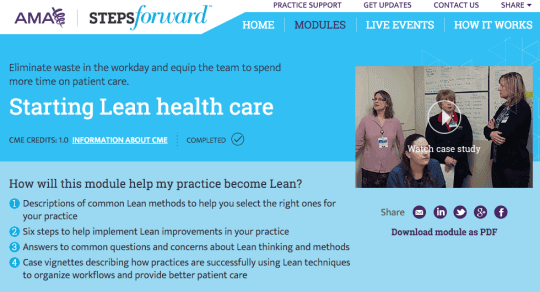
The info here is pretty solid. They include a long list of references, including my books.
Their definition of Lean is pretty good:
“Lean” is both a mindset and a method to engage physicians and staff in organizing their practice to run more smoothly. The focus of Lean is to eliminate waste, improve efficiency and add value for the patient.
At least they didn’t call Lean a toolbox. I do wish they had more explicitly mentioned quality and safety (they are forms of waste).
I think it’s worth sharing… I’ve sent it to some physicians I know. Maybe you’ll do the same. Hopefully this will help.
Thanks for reading! I’d love to hear your thoughts. Please scroll down to post a comment (or click through to the blog if you’re reading via email or RSS).
Original article: MDs Can Earn a CME Credit from AMA, Learning about Lean.
(c) Mark Graban and Constancy, Inc. 2005-2015
via Raymond Arsenault on Life and Business http://raymondarsenault.blogspot.com/2015/12/mds-can-earn-cme-credit-from-ama.html
Posted on December 8th, 2015
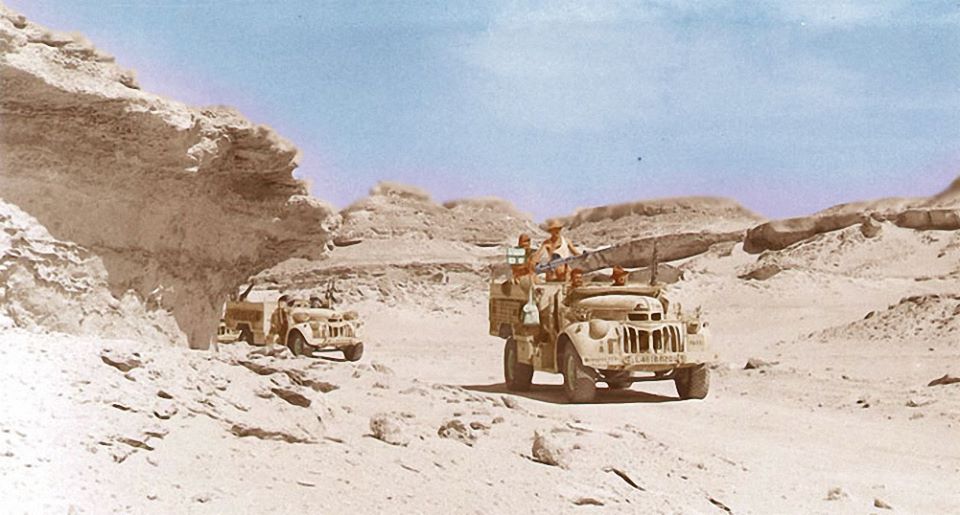
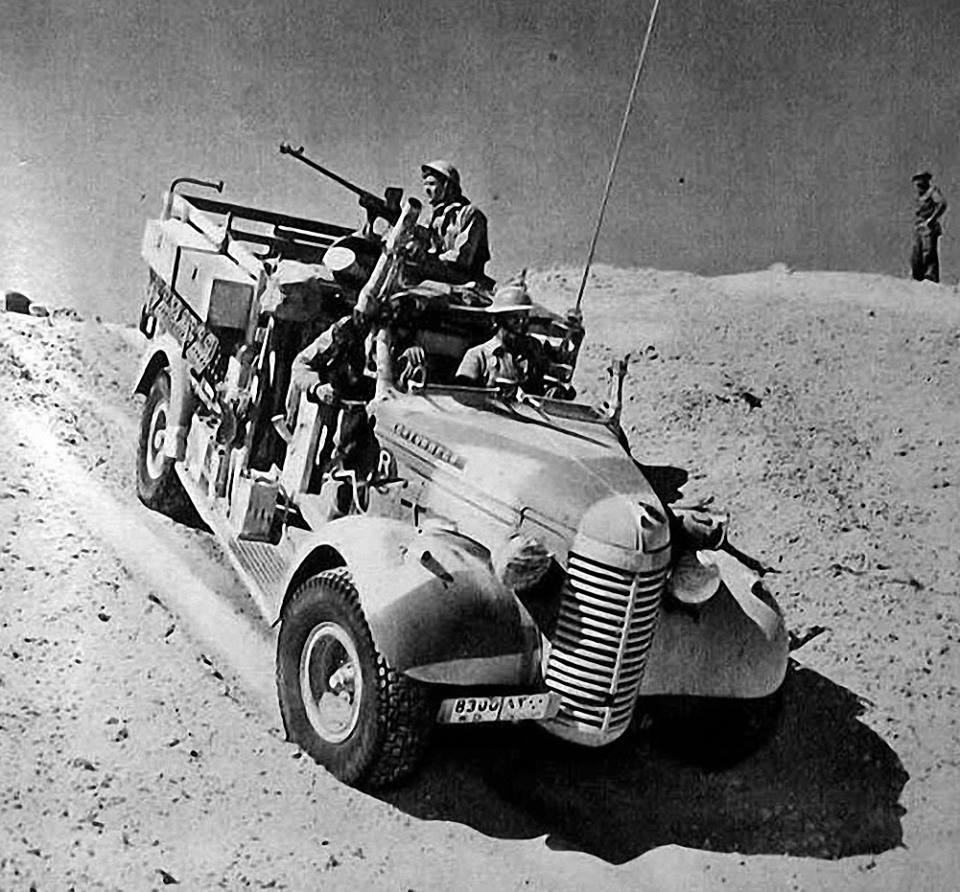
Long Range Desert Group trucks, 1942, crewed by New Zealanders, many of whom joined the Long Range Desert Group in 1940 from a consignment of troops who found themselves at Alexandria without their arms and equipment, which had been lost at sea.
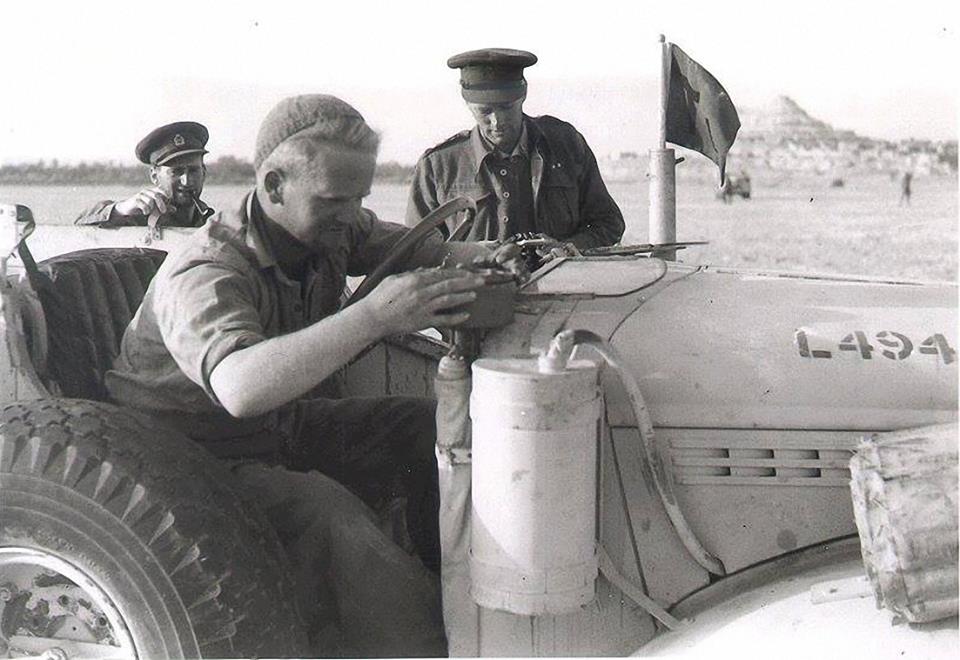

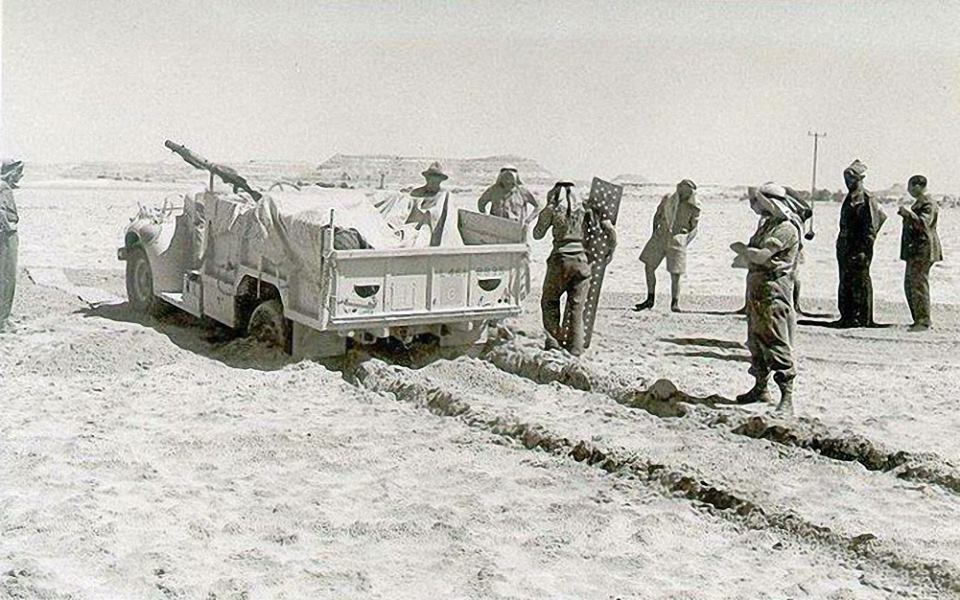
sand mats were used to get out of trouble
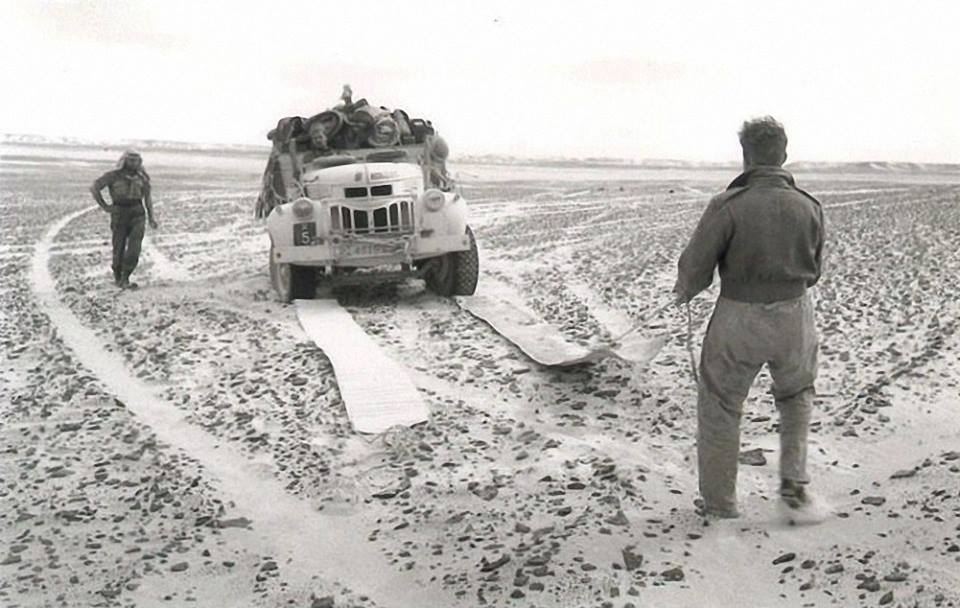

https://www.facebook.com/media/set/?set=a.1002544656475969.1073741850.174281975968912&type=3
via Raymond Arsenault on Life and Business http://raymondarsenault.blogspot.com/2015/12/long-range-desert-group-trucks-1942.html
Posted on December 8th, 2015
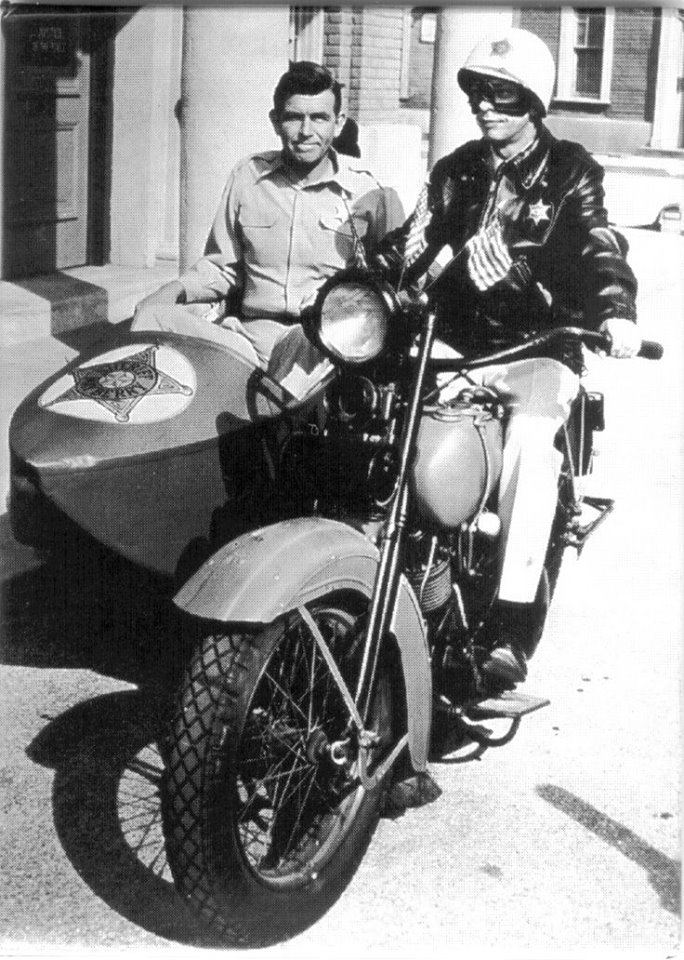
good ol Barney
via Raymond Arsenault on Life and Business http://raymondarsenault.blogspot.com/2015/12/good-ol-barney.html
Posted on December 8th, 2015
when showrooms were palaces

via Raymond Arsenault on Life and Business http://raymondarsenault.blogspot.com/2015/12/when-showrooms-were-palaces.html
Posted on December 8th, 2015
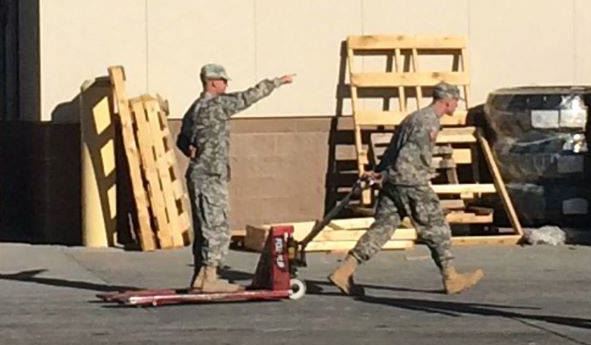
E-4 mafia in charge at the motor pool
via Raymond Arsenault on Life and Business http://raymondarsenault.blogspot.com/2015/12/e-4-mafia-in-charge-at-motor-pool.html
Posted on December 8th, 2015
Cool old lube rack... I think that articulated arm might be a drain pan

via Raymond Arsenault on Life and Business http://raymondarsenault.blogspot.com/2015/12/cool-old-lube-rack-i-think-that.html
Posted on December 8th, 2015
Truckers weigh in on the best dash cam
via Raymond Arsenault on Life and Business http://raymondarsenault.blogspot.com/2015/12/truckers-weigh-in-on-best-dash-cam.html
Posted on December 8th, 2015